Soliloquies with the sea: Island and coastal communities mulling mobility options amid severe climate change impacts
15 January 2026|Louie Bacomo, Jesuit Refugee Service (JRS) Asia Pacific Director of Climate and Forced Displacement
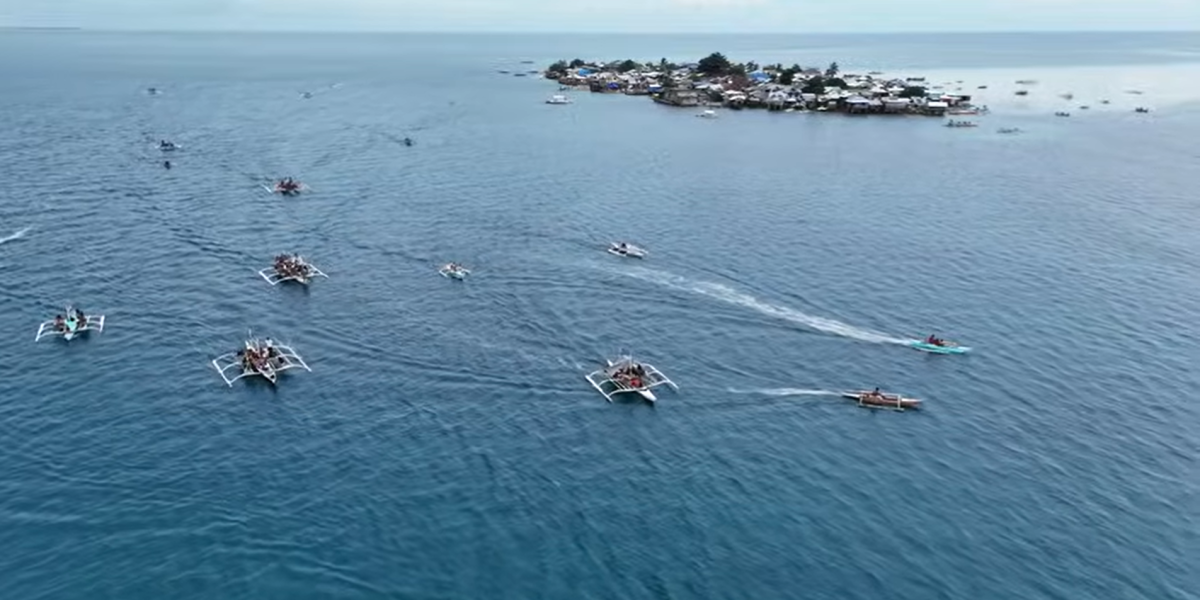
In October, JRS Asia Pacific produced a documentary about climate and forced displacement directed by Ditsi Carolino called “Sa Among Isla (In Our Island)”. The short documentary has been shown in various forums, including a RACPA webinar with 100 participants from the region, at COP30 in Brazil through the Environmental Science for Social Change (ESSC), and at the Global Refugee Forum in Geneva. In this moving video, vulnerable people at the frontiers of climate change share how the sea has encroached on their shores, intruded into their homes, and affected their health and safety.
“If we had the money, we would have left long ago,” says Julius, an island fisherman from Bohol, when asked about the impacts of climate change on his community. This is the voice of trapped populations that are often unheard because they are summarily categorised as choosing to stay and differentiated from those who choose to move.
“Nocnocan is like a paradise to me. Still, it would be good to have a house on the mainland, because even now, the sea is getting closer,” says Alejandro, voicing his fears about the future climate scenario of his island.
For people like Delia, though, who lost all of her material assets during Typhoon Odette in 2021, relocation is not an option. “I am old, so I don’t want to leave this place.” It took her two weeks to reach the capital city to inform her children working abroad that she and her husband were alive. Since then, she has been encouraging her children to settle somewhere safe.
Attachment to the place, lifestyle, and livelihood are the strongest reasons for choosing to stay. A father whose family comes from a long line of fisherfolk cannot imagine himself as a farmer, and a mother of 11 children who has lived by the sea cannot imagine a life without fishing.
Relocation is an urgent topic for island and coastal communities routinely displaced by tidal floods and typhoons. Permanent relocation in the context of climate change and disaster is fairly recent, although temporary relocation or evacuation has been a regular experience of climate-displaced communities. Planned relocation presents many challenges and opportunities. A JRS consortium research found that relocation is only a viable option if support for livelihoods, safe shelter, and community identity are part of the planning process, with inclusive and meaningful engagement from communities and stakeholders.
The Philippines’ experience with relocation shows mixed outcomes and underscores the work still needed before communities can fully trust relocation processes. When relocation is successful, communities are safer, better connected to basic services, and have better chances to succeed in rebuilding their lives and communities. It can also open new opportunities for the next generation that their parents never had.
From a global community perspective, relocation should be considered a last resort due to its profound social, economic, cultural, and political implications. However, for those who have no viable alternatives, successful relocation remains the most durable solution.
In a recent JRS webinar, resource speakers from Indonesia and Fiji shared how they implement relocation plans for island and coastal communities that have been displaced or are at high risk of displacement due to climate-related hazards. For planned relocation to succeed, it must be safe, voluntary, and dignified. Fully exhausting adaptation measures; respecting, following, and sustaining indigenous cultural processes; supporting people’s right to stay and to exercise their agency to ensure health and safety; and establishing feedback and grievance mechanisms throughout the whole process, including post-relocation, are among the policy features of government relocation programmes that have succeeded.
Vulnerable island and coastal communities will continue their soliloquy with the sea as they ponder their future. If there’s one thing the documentary shows clearly, it is that there is no limit to the community’s desire to keep their families and community together, and their agency to adapt must be fully supported by government and stakeholders.
Explore more