World Refugee Day 2025: A Light of Hope for Refugees In Waiting
26 August 2026
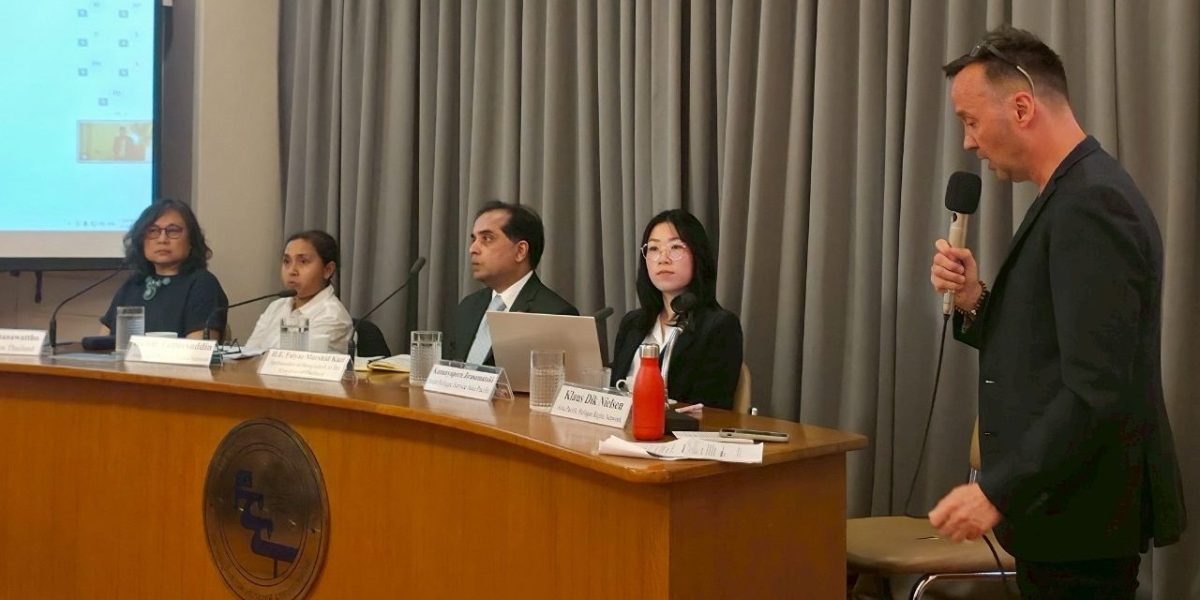
In a time of deepening crises for displaced populations across Asia Pacific, the World Refugee Day 2025 public forum co-hosted by Jesuit Refugee Service (JRS) Asia Pacific, Asia Pacific Refugee Rights Network (APRRN), and Caritas held in the month of June at the heart of Bangkok provided an urgent platform to amplify refugee voices, assess regional responses, and reimagine solutions anchored in dignity, rights, and inclusion. Bringing together refugee leaders, civil society actors, international organizations, and diplomatic missions, the event underscored a critical truth in the face of shrinking resources and rising disinformation, hope must become action.
The Impact of Funding Cuts: Lived Realities from the Ground
Across the region, the reality of funding cuts is felt most sharply by those who have already endured displacement, uncertainty, and marginalization. In a video message from Cox’s Bazar, Rohingya photographer Sahat Zia Hero shared reflections that captured the deep yearnings of his community, freedom of movement, access to education, and a dignified standard of living. His message served as a reminder that even as conditions worsen, hope continues to endure in refugee communities. But that hope is increasingly tested as learning centers close, food insecurity rises, and safety deteriorates in overcrowded camps.
From an organizational perspective, these cuts are not just numbers on a budget, they directly translate into reduced services and diminished protection. Keya Saha-Chaudhury, Regional Representative for Asia-Pacific at the International Council of Voluntary Agencies (ICVA), explained that humanitarian agencies are being forced to scale back, restructure, and lay off staff due to dwindling resources. Basic support such as shelter, education, and mental health and psychosocial service is being interrupted or withdrawn. Yet she also emphasized a silver lining. In this moment of crisis, new opportunities are emerging for collaboration with governments and private sector partners. These partnerships could help diversify funding sources and create more sustainable, long-term solutions.
This sense of urgency was echoed by Dr. Sharuna Verghis, Co-Founder of Health Equity Initiatives (HEI) in Malaysia, who has witnessed how long-standing structural weaknesses such as inadequate healthcare access have been exacerbated by funding gaps. For frontline service providers like HEI, it has become increasingly difficult to offer holistic and ongoing support, particularly in areas such as mental health. This erosion of services risks long-term harm to already vulnerable populations.
Personal stories from the field brought these challenges into more focus. Kunanyaporn “Git” Jirasamataki, Advocacy and Communications Officer at JRS Asia Pacific, shared the experience of a refugee mother who said she could bear hunger herself, but not the thought of her child going without food. These are the impossible choices many displaced families face every day. She emphasized that humanitarian work must go beyond temporary aid, it must support refugee leadership, agency, and dignity. She advocated for reframing how the world sees refugees: not as passive recipients of help, but as individuals with potential, capable of meaningful participation in society.
Tackling Misinformation and Shifting Narratives
Alongside the resource crisis, another threat is undermining refugee protection: the spread of misinformation. Aqwam Fiazmi Hanifan, an investigative journalist and producer at Narasi TV in Indonesia, spoke about how public perception of Rohingya refugees has shifted dramatically in recent years. In 2017, there was a wave of public sympathy in Indonesia for the Rohingya’s plight. However, beginning in 2023, a surge of false news stories and hate speech began to circulate online, including hoaxes that blamed refugees for local disturbances. These narratives often amplified by media and social platforms, fueled suspicion, fear, and even hostility.
This transformation in public discourse highlights how vulnerable displaced populations can be to political manipulation. Insights from him sparked a broader conversation on the power of media narratives, both in shaping public opinion and influencing policy responses.
From a diplomatic standpoint, H.E. Faiyaz Murshid Kazi, Ambassador of Bangladesh to Thailand, emphasized the importance of restoring empathy in regional responses. He cautioned against the dehumanization of refugees and called on ASEAN to revisit its Five-Point Consensus on Myanmar in light of the changing situation. The existing framework, he argued, is no longer adequate. There is still potential for ASEAN to take meaningful action. Doing so will require courage, vision, and a willingness to recalibrate regional approaches to displacement and protection.
Hafsar Tameesuddin, Co-Secretary General of the Asia Pacific Refugee Rights Network (APRRN), took the conversation further by addressing the underlying narratives that drive exclusionary policies. She pointed out how easily societies fall into patterns of fear-based thinking, portraying refugees as security threats or economic burdens. This dangerous framing has contributed to restrictive policies that deny refugees access to work, education, and basic rights. Granting the right to work is not about offering privilege but it is the bare minimum of respect that recognizes people’s capacity and worth.
Rights-Based Solutions & Local Leadership
In the final segment of the forum, the conversation shifted toward practical and rights-based solutions. Naiyana Thanawattho, Executive Director of Asylum Access Thailand (AAT), emphasized that most refugees do not want to live on aid. Like everyone else, they want the opportunity to work, contribute to their communities, and live with self-determination. She pointed out that displaced people are often portrayed as helpless, yet in reality, they possess skills, resilience, and a strong desire to rebuild their lives.
This drive for self-reliance is made more urgent by the fact that third-country resettlement is now increasingly limited. With one of the few remaining “durable solutions” narrowing, host countries must strengthen legal protections where refugees already reside. For organizations like AAT, this means investing in legal services to ensure refugees can access justice, navigate complex bureaucracies, and assert their rights.
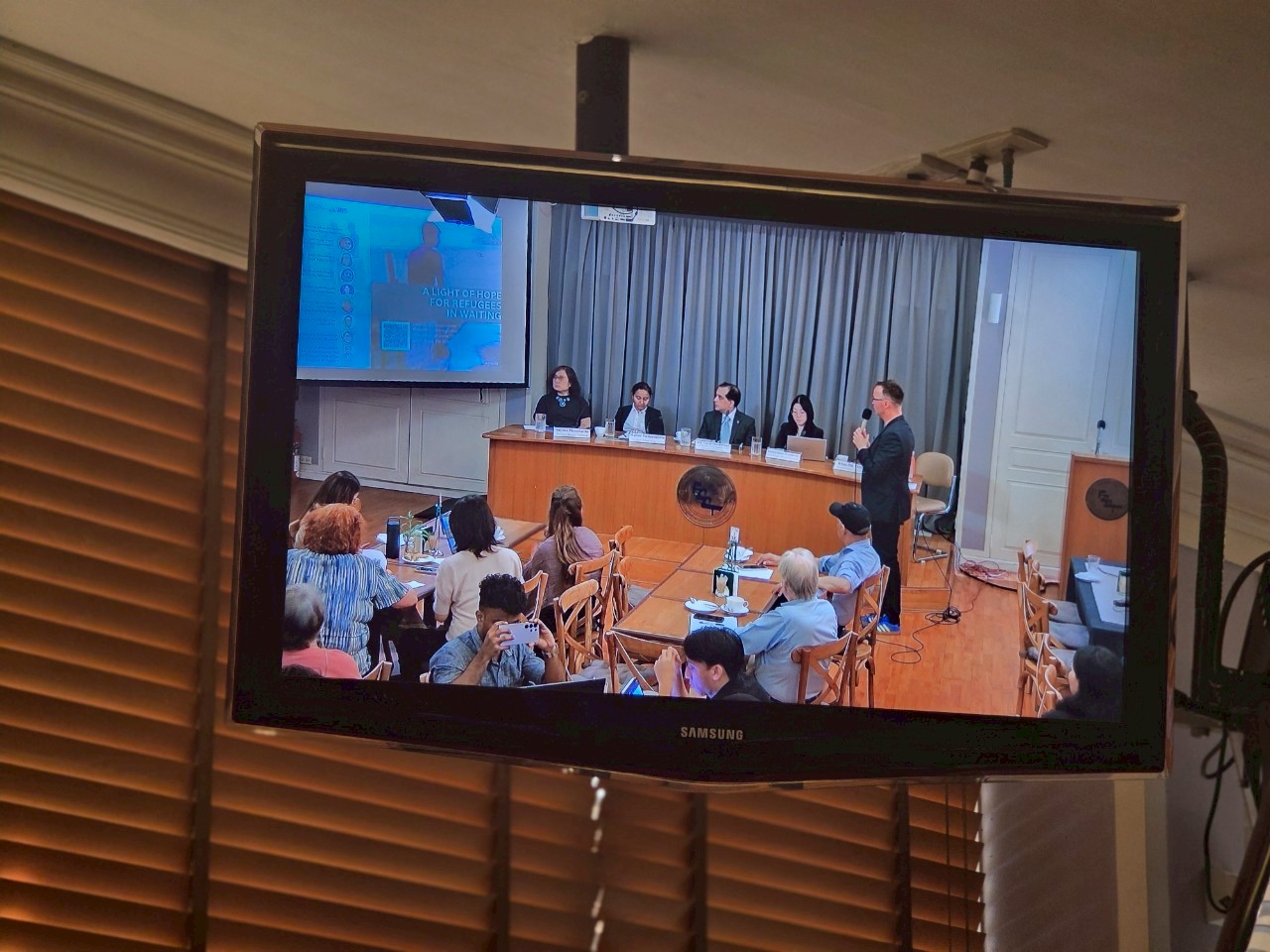
The forum concluded with a shared understanding that protection and hope cannot be postponed. Refugees must not be seen as passive recipients but as active participants in shaping their futures. From reaffirming the right to work and legal protection, to challenging dangerous narratives and advancing inclusive policies, the way forward must be grounded in refugee leadership and regional solidarity. In a world where uncertainty is growing, the message was clear: hope must be built not by waiting but by walking forward together.